Author: Fred Atchison

  • New Haskell President Working for Change

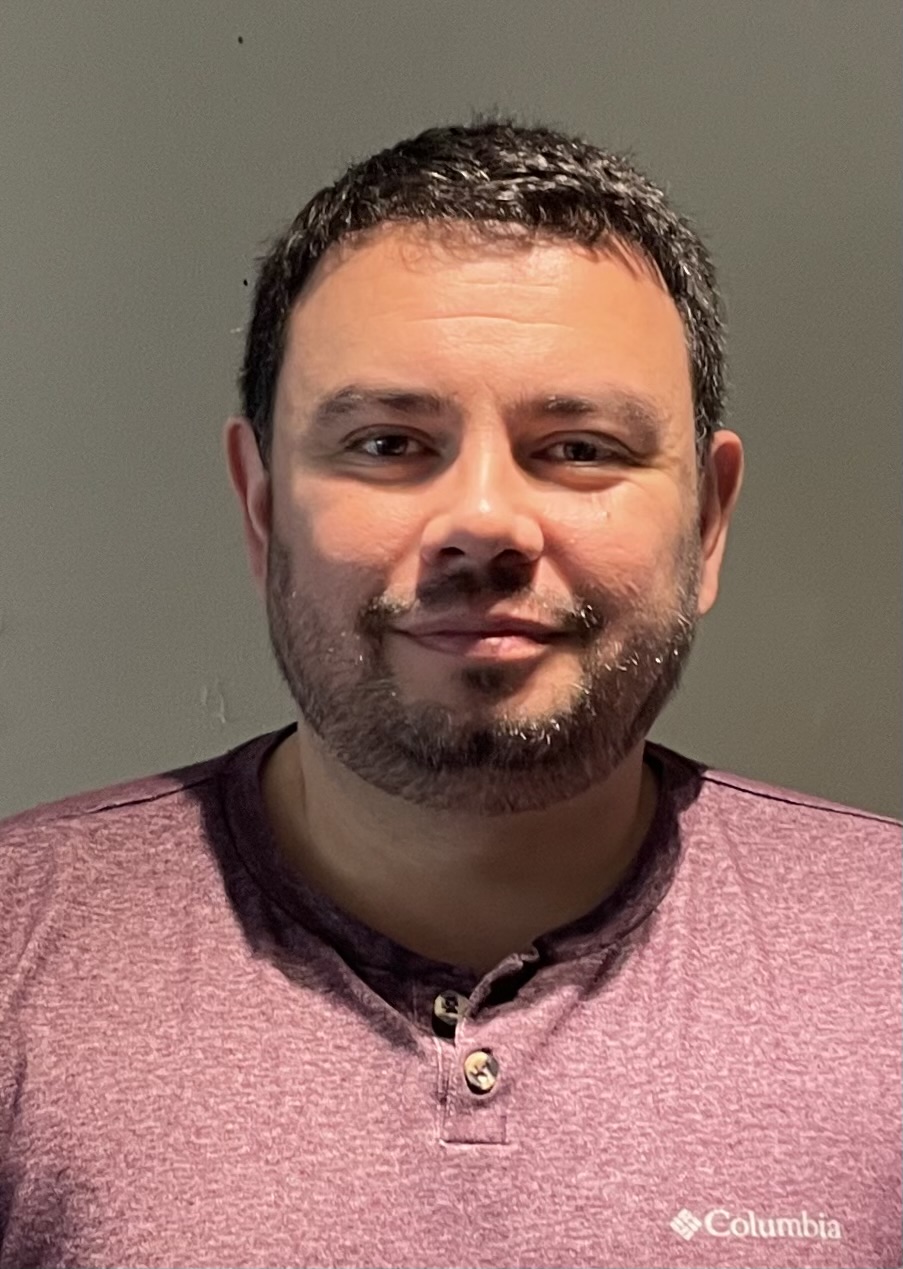
    Dr. Frank Arpan provided an update on the operation and future plans for Haskell Indian Nations University. Arpan was promoted to the Presidency after serving as Vice President of Academics. He previously served as Dean of Academics at Sisseton Wahpeton College in South Dakota and is a tribal member of the Yankton Sioux. Presently, 879 students are enrolled at Haskell with 146 tribes represented. Tuition is free which makes a degree attainable at a very reasonable cost. Degrees are available in Social Work, Community Health, Communications, Elementary Teacher Education, American Indian Studies and Environmental Science.

    Arpan expressed concerns about the road ahead. He noted that Haskell is directly under federal government control, which he believes has had a negative impact on the academic role of the university. While many tribes are represented in the student population, some 400 tribes are not. And no new degree program has been added for the last twenty five years. Accordingly, Haskell is exploring a cooperative agreement with Peaslee Tech. Arpan closed his remarks stating that the Haskell community is looking forward to celebrating a 140th anniversary.
  • Remembering La Yarda

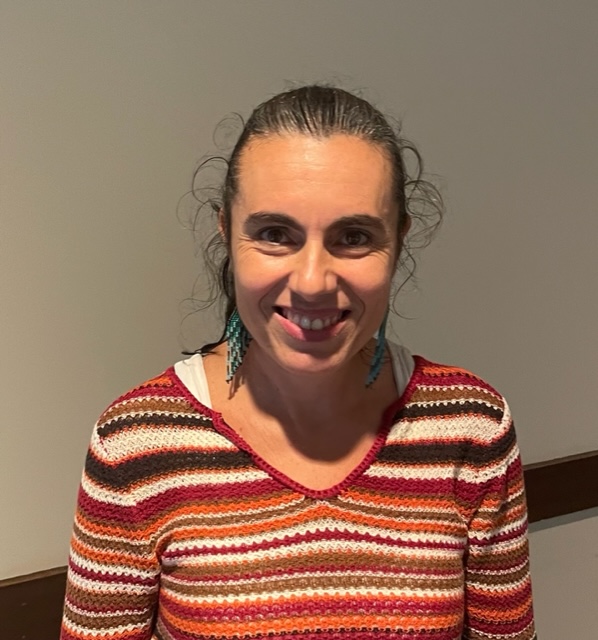
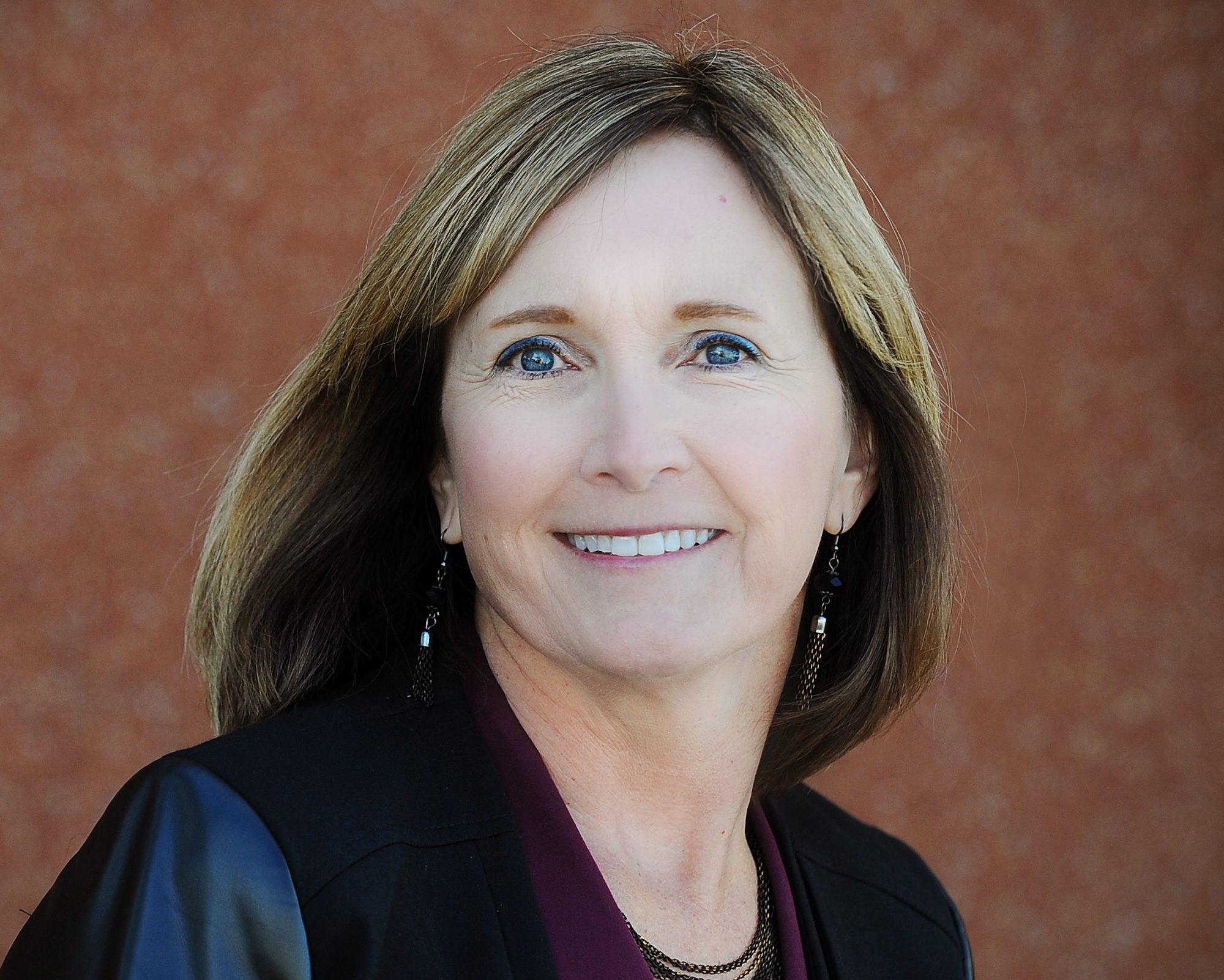
    Kansas has a history of the presence and contributions of Spanish speaking peoples. The city of Lawrence has La Yarda, a vanished community of Mexican American railroad workers and their families. Araceli Masterson-Algar, Associate Professor of Latinx Studies at Kansas University, spoke about La Yarda and the continuing quest of Mexican Americans to be accepted and appreciated in America. La Yarda was located in east Lawrence between the railroad tracks and the Kansas River. Families lived in a single room in a multi-unit wooden structure. There were no city services or improvements and a shared water pump was the only source of water. Residents made the best of their situation by sharing a sense of community. They also cultivated gardens and children played where they could. Residents experienced discrimination in the school system and in other public settings, like the local swimming pool. In 1951 a flood destroyed the community and it was not rebuilt.

    Currently there are numerous efforts to document and honor the history of La Garda. Masterson-Algar also spoke of the larger impact of Spanish and Mexican American culture. She provided numerous examples of the problem of continuing discrimination in our country. Masterson-Algar earned her doctorate at the University of Arizona and her research work is on human mobility, urban culture, social movements and migrant communities.

  • Taking a Stand Against Human Trafficking


    Topeka Rotarian Patty Mellard brought home a sobering message about the devastating reality of human trafficking in Kansas communities. Mellard is a 33 year Rotarian and a past President of the Topeka South Club. Currently she is also a member of the Rotary Club of Community Action Against Human Trafficking. Human trafficking is the act of exploiting another for personal gain, with an astounding 300,000 cases of sexual human trafficking occurring in the United States each year. The average age of the exploited is 12-14 and those individuals have an average life span of seven years without intervention. Relatives or partners make up 48% of the abusers and 20% of the male population are buyers. In the state of Kansas purchasing sex is only a misdemeanor. Incarcerated women are particularly vulnerable. Mellard described grants awarded the Community Action Club that assist, train and mentor that population. She thanked Lawrence Central Rotary for contributing to the purchase of winter care kits to support their work.

    Mellard has held numerous District responsibilities and is a successful Rotary grant writer. She is partially retired from her business Key Staffing and Employment Solutions. She enjoys fishing, gardening and her 14 grand kids.

  • International Development Through The Outreach Program

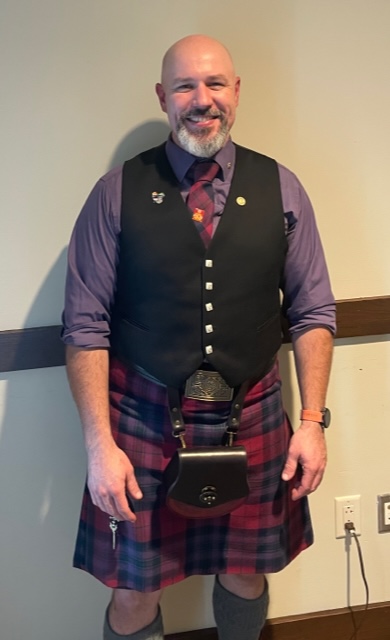
    Issac McNary, in full kilt regalia, spoke about his work with The Outreach Program. McNary, a resident of El Dorado, is a Rotary member and past club President. He also serves as Assistant District Governor for Rotary District 5680. McNary made his first humanitarian work trip to Nicaragua when he was in high school. He has worked on projects in Central America, South America, Africa and the United States. In 2009 he began organizing food packaging events to aid people in crisis situations around the globe. Presently, The Outreach Program is working in rural Tanzania to improve access to food, medicine and education. McNary’s expertise is in setting up small solar powered water purification systems. McNary speaks to many groups seeking support for the work in Tanzania. McNary is very proud of his Scott/Irish heritage and makes fancy soaps to raise money to fight polio, all in his spare time.

  • Untold Stories from Oak Hill

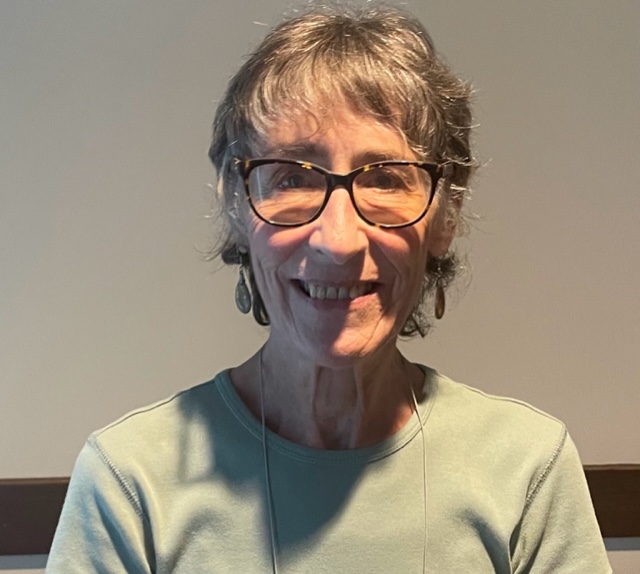
    Jeanne Klein, Professor Emerita, Kansas University, has been working on a project to find information about untold stories of black citizens buried in Oak Hill Cemetery. This historic Lawrence cemetery was established in 1865 and became the resting place for a number of people who were killed in the 1863 raid on the city by William Quantrill. So many notable figures were buried at Oak Hill that William Allen White referred to it as the “Arlington of Kansas.” Oak Hill was integrated by 1868 and many notable black citizens were buried there, including the minister Gabriel Gray, Charles and Mary Langston, the grandparents of Langston Hughes, and a number of veterans of the 79th and 83rd U.S. Colored Troops. However, a number of graves of other black citizens have damaged markers or no markers at all. Fortunately, burial records do exist and Klein is using them and consulting other historical sources to recreate lost stories. Klein urged people to visit Oak Hill and to support maintenance and restoration efforts.