Author: Fred Atchison

  • Walden Focuses on the Supply Chain

    The supply chain is getting lots of attention these days and lots of blame for our economic woes.  Who better to make sense of it all than Joe Walden, associate teaching professor at Kansas University and expert on supply chain management.

    Walden is a retired U.S. Army Colonel with an extensive background in logistics.  He also holds advanced degrees in engineering management, operational planning, systems management and logistics, and curriculum and teaching.  Presently his focus is on supply chain security and reverse logistics.  In addition to his professional accomplishments, Walden is a three -time world champion weight lifter in his weight class.

    When things are working as they should, the supply chain is invisible.   The supply chain is made up of organizations, people, activities, information, and resources involved in moving a product or a service to the end user.  When something disrupts part of the supply chain, like a pandemic, it can have a ripple effect through out the system. 

    Our economy operates on a “just in time” model which means local inventories can run short if there is a disruption to the supply chain.  Presently, on-time deliveries are at an all-time low due, in part, to chip shortages, port backlogs, business closures, and shortages of workers.  Labor and fuel costs are pushing prices up, but Walden asserts that some of the price increases are opportunistic.  Hoarding makes things worse as panic buying creates shortages and drives up prices. Demand eventually falls and producers reduce production, creating another shortage on down the road.  An additional factor adversely affecting the economy is a 25% return rate on online purchases, creating a huge problem for retailers. 

    Walden is optimistic that these problems are being addressed.  For example, a “just in case” approach to the supply chain has had some success.  This strategy involves better planning, a need forecasting, preparedness, resiliency, and a better focus on the customer.  He also believes the growth in small truck deliveries has created new jobs and reduced the reliance on a large-truck shipping model.  Walden says he tries to inspire at least one person every day–which seems like a great goal for us all.

  • Right to Read: Don’t Take It for Granted

    There was a good turn out to hear Lawrence Public Library Director Brad Allen talk about censorship efforts to ban particular books from schools and libraries.  Sometimes parents object to a book because they are concerned that the material poses a threat to their child.  Sometimes books are objected to because they are perceived as a threat to the establishment.

    This topic is a timely one as presently there are numerous reports of organized efforts to protest critical race theory and other books addressing problems with American culture.  Censorship has been an issue throughout American history.  The Comstock Laws passed in 1872 provided prison time for sending pornography through the mail, which at that time included factual information on birth control.  Currently our society is extremely polarized and considerable efforts have been employed to silence critics. 

    In 1982, the American Library Association (ALA) established Banned Books Week to celebrate the freedom to read and raise awareness of challenged and banned books. Many more books are challenged than are actually removed from the shelves.  Most libraries have a process for dealing with challenges which involves collecting information about the challenge and convening a committee to review the objections and the book.  The committee makes the decision about the fate of the book. 

    Presently, activists are attempting to put like-minded people on governing boards in an attempt to shape the culture. The variety of book challenges varies from children’s books to such authors as Toni Morrison, John Steinbeck and Harper Lee.  A book may be removed from the collection for having inaccuracies, being dated, or having insufficient literary merits.  However, most challenged books stay in the collection. 

    Allen was asked about the future of public libraries.  He said that people have been predicting the demise of public libraries for many years.  However libraries have embraced technology and demonstrated adaptability and relevance. 

    Allen has an interesting background, taking degrees in American Studies, Psychology, African Studies and Library Science.  He also loves music and played in a funk band.  Allen has served as director of the Lawrence Public Library for ten years and is credited with significant growth of library programing and services.


  • Restorative Justice Comes to Douglas County

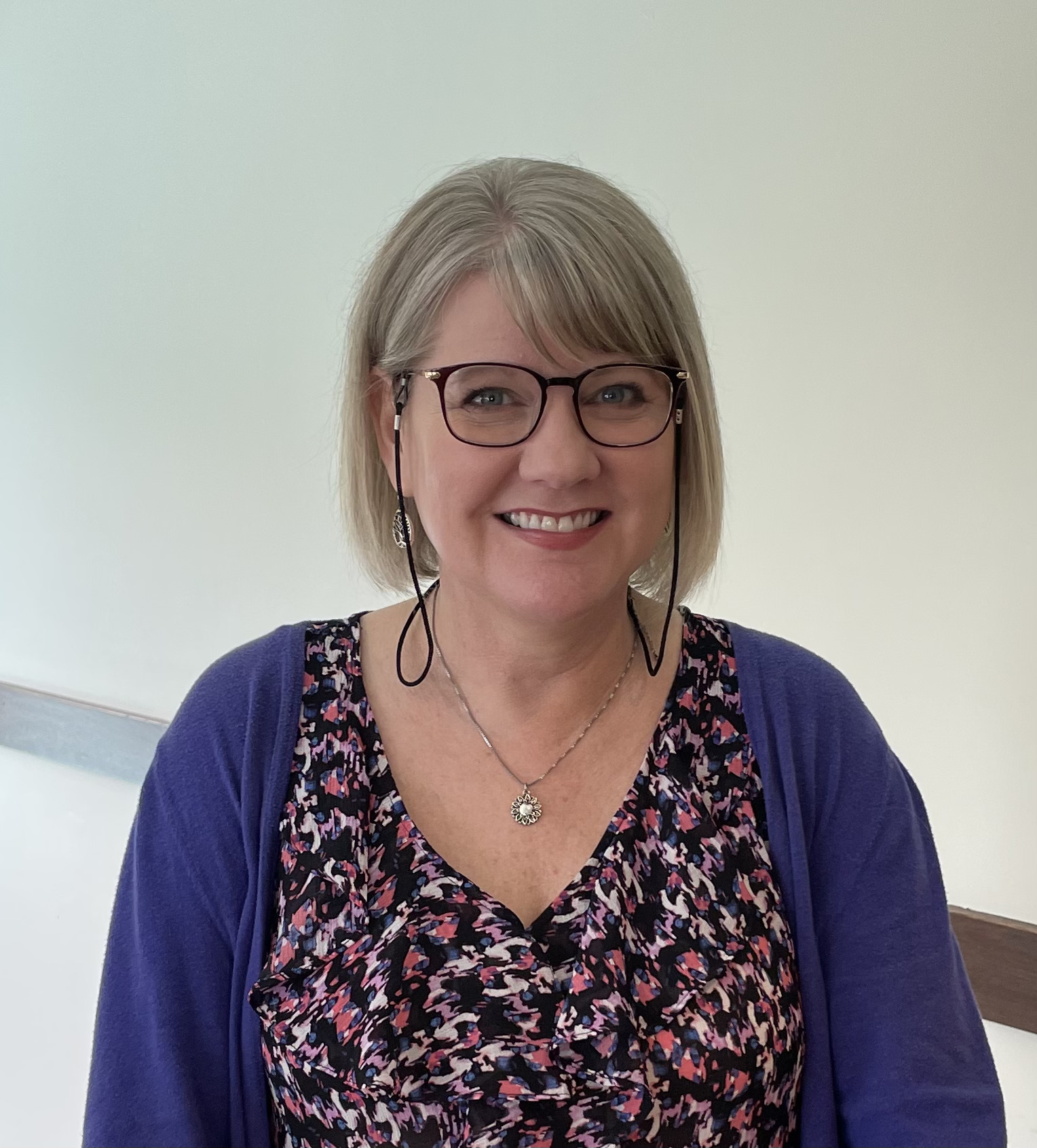
    Lyle Seger and Lisa Larson spoke about the new Douglas County restorative justice program.  Lyle is a mediator and restorative justice facilitator for the Center for Conflict Resolution and a founder of the nonprofit Building Peace.  Lisa is a City Commissioner and works in conflict resolution and mediation. She is also affiliated with Building Peace. 

    Restorative justice is a concept that emerged from indigenous communities in North America and New Zealand.  European settlers had a more narrow concept of justice that involved trial, conviction and punishment.  Restorative justice attempts to find a more satisfying approach to address the harm done in a crime.  The goal is to identify satisfactory retribution, resolve conflict, and promote healing.   

    Started in 2020, the restorative justice program in Douglas County has a staff of five mediators who work with lawyers, court representatives, crime victims, perpetrators, and community members impacted by a crime. 

    The District Attorney makes the determination of a case’s eligibility for restorative justice.  It is a voluntary process and is available for less serious offenses and younger offenders.  Perpetrators are required to address the harm done face to face with victims and stakeholders in the larger community.  Completion of the process results in expunging of the criminal record.

    Restorative justice reduces the number of young people going to jail.  The recidivism rate is under 50 per cent, and some 70 per cent of victims are satisfied with the process.  The new program is primarily funded by grants. 

    At the end of the day, restorative justice focuses on how a crime impacts on the victim and the community.  The process works to promote healing, build peaceful relationships, and a stronger and more just community.

  • Fighting Hunger and Food Insecurity

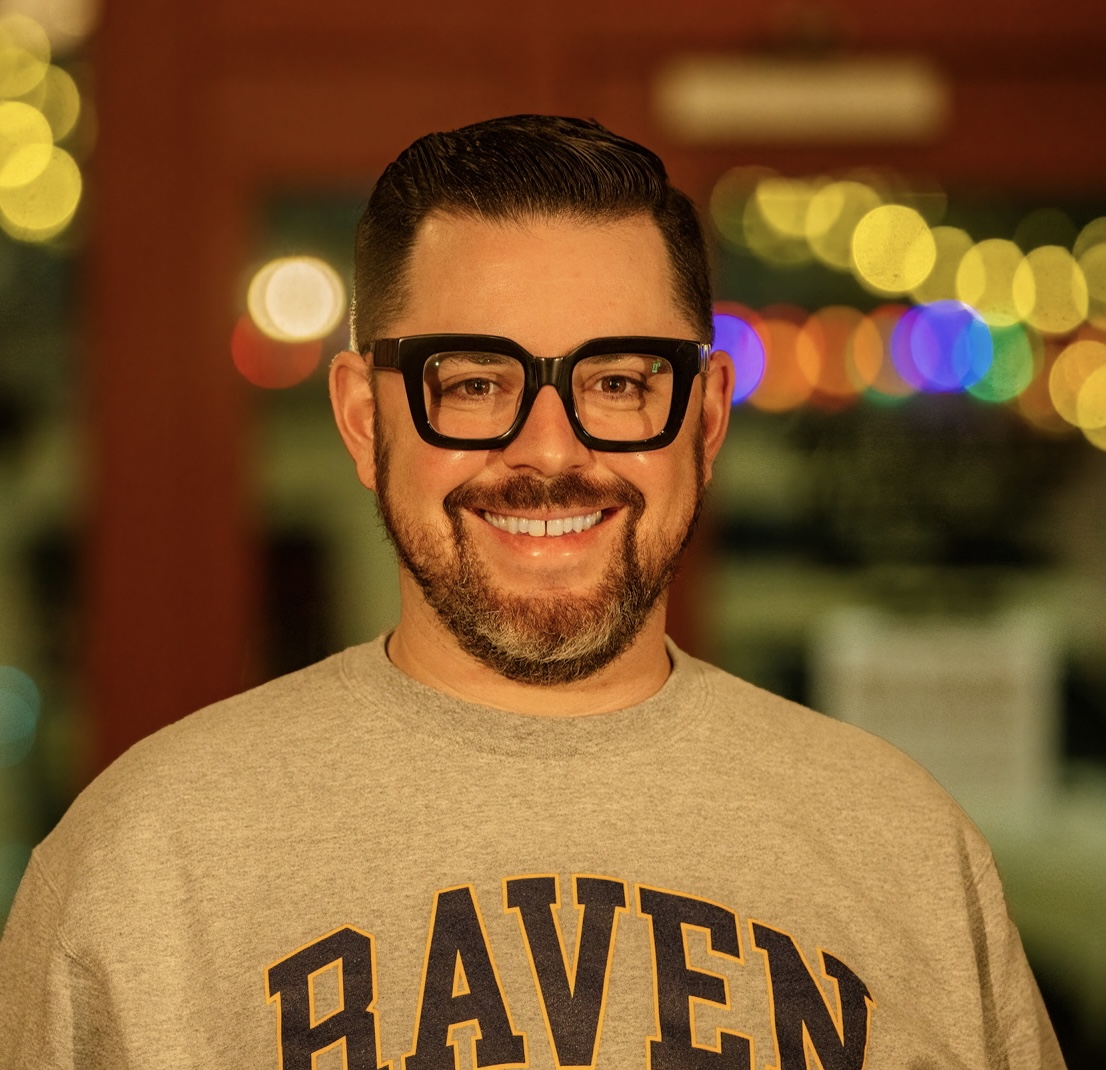
    Ryan Bowersox, Director of Marketing and Outreach for Just Food, explains how the agency has expanded its programs in Douglas County beyond the food bank itself. 

    Just Food serves 150-300 families each day, providing access to nutritious food while maintaining a sense of dignity for all.  The organization seeks to address the root causes of hunger and to cultivate self-sufficiency .  Just Food also works to establish a culture of stewardship, sustainability, transparency, diversity and equity.  Elizabeth Keever is Executive Director and is responsible for operations, working with an advisory board. 

    Program elements consist of food recovery,  pantry shopping and mobile food distribution for rural areas of the county as well as a popular diaper bank.  The newly remodeled main facility hosts educational classes like Just Cook, which provides instruction in food preparation and nutrition.  Kitchen Works prepares people for careers in food service, and Just Grow teaches gardening techniques and makes garden plots available. 

    Volunteers play a critical role by working in the food pantry, in the warehouse, as drivers and as instructors.  Volunteers also assist in putting on special food and fund raising events. 

    Just Food collaborates with at least 19 agencies to deliver services. Partners include Bert Nash, the Lawrence Community Shelter, the Humane Society, the Willow Domestic Violence Center, Lawrence Memorial Hospital, the Lawrence school system, the University of Kansas, and Haskell University. 

    The pandemic has contributed to a huge increase in hunger in the county. Eligibility requirements for service are minimal, and half of the people served are Caucasian. In 2020, 22,433 people were served, almost 2,000 home deliveries were made, 653,473 pounds of food was recovered,  57,600 diapers were distributed, 28 coaching sessions were conducted, and 11,901 volunteer hours were logged. 

  • Academic Learning: A Changing Landscape

    Kevin Smith, Dean of Libraries at University of Kansas, spoke on the myriad of changes and challenges facing today’s academic students and librarians.  Smith is well qualified to address the topic as his academic credentials are extensive.  He did his undergraduate work at Hamilton College in New York, earned an MA Degree in Religion at Yale, a Masters in Library Science at Kent State, and a law degree from Capital University.  Before arriving at KU, Smith served as Director of Copyright and Scholarly Communications at Duke University.  In addition to his duties as Dean of Libraries, Smith is Director of Universities Press and teaches copyright for the KU Law School. 

    The focus of Smith’s talk was on changes and challenges for academic libraries and academic students in the digital age.  The digital age has actually increased the importance of librarians as the challenge today is not so much finding information but navigating and evaluating the overwhelming amount of what is available.  Accordingly, librarians still have an important teaching role, including information literacy with an emphasis on authentication of sources and material. 

    Present copyright laws were not created to deal with digital information on the Internet.  Information is mostly proprietary, and users must engage complex user agreements, licensing, and an array of new services.  These challenges come at a time when we have lost our traditional “canons of authority” for creating and conveying information.  Authentic information exists on the Internet along side false and purposefully slanted information. 

    Smith also addressed new models of publication, including publishing on-demand and open source text books.  University students face great challenges in the digital age, but professional librarians are prepared to provide guidance and assistance.