Category: News

  • Heritage and History


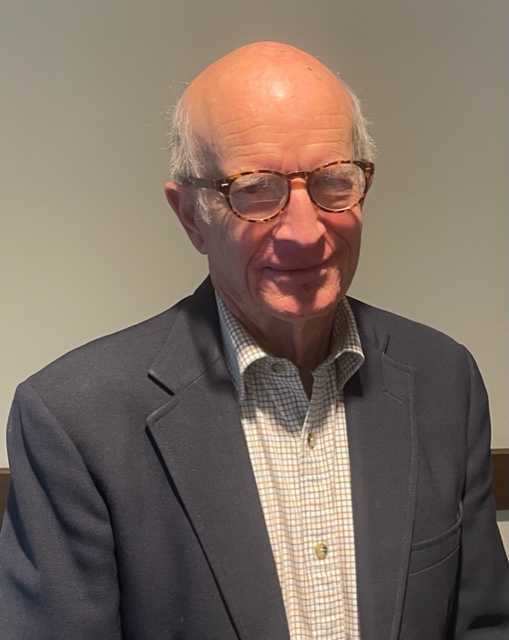
    Stephen Hill has a personal and family heritage of business and community development. He is President of Bowersock Mills and Power Company, a long time Rotarian, a Bishop Seabury Academy Board member, a Watkins Museum Board member and a Trustee of the Kansas City Symphony Foundation. Hill is a first generation Lawrence native and traces his roots to the Douglas County Mills, established by his family in 1874. By the 1870s coal and wood had become too expensive to power early city businesses and the economy suffered. Ferry Operator Orlando Darling proposed building a dam to capture the power of the river. He negotiated a deal with the City but was bankrupted when an ice flow took out the dam he built. Justin Bowersock rebuilt the dam and initiated a period of business development. The dam washed out again in 1903 and it was rebuilt to produce electric power. An impressive period of business development ensued. In the late 1970s a new contract was secured which permitted the development of the south bank of the river and the construction of City Hall, Abe and Jake’s Landing and the present Marriott. The historical damming of the river, the generation of hydro power and subsequent business development played a major part in the growth and prosperity of Lawrence.
  • City News and Information

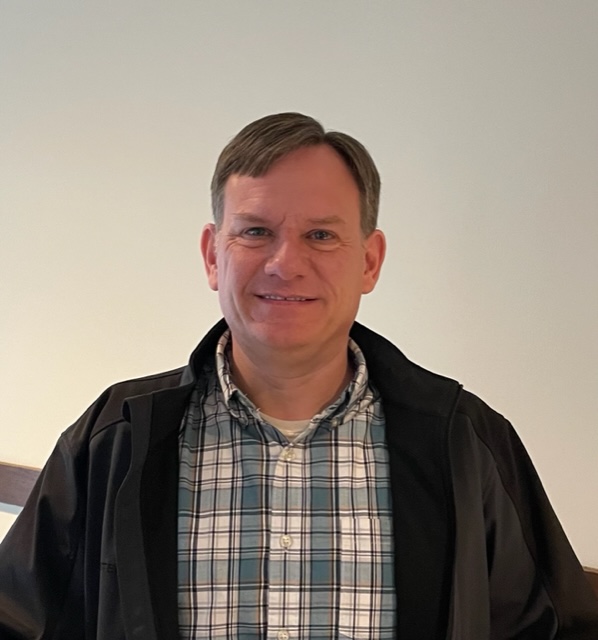
    City Commissioner Brad Finkeldei visited Lawrence Central Rotary to to answer questions and provide a state of the city report. Commissioner Finkeldei is a member and past president of the Rotary Breakfast Club and earned a Law Degree from Kansas University and a Chemical Engineering Degree from Kansas State University. The Commissioner is a partner with Stevens and Brand, LLP and has served on numerous boards in the community. His focus was on the current Strategic Plan for the city. He explained how the plan was put together and revised, utilizing sophisticated systems that analyze risks and expenses.

    Elements of the plan include Unmistakeable Identity, Strong and Welcoming Neighborhoods, Safety and Security, Prosperity and Economic Security, and Infrastructure Issues. The plan drives the budget and Commissioners review progress indicators periodically. Commissioner Finkeldei took questions on storm water issues, bus lines, housing, the homeless and various street projects. Commissioners and city staff work hard to invest in and manage projects that will maintain and encourage a safe and prosperous environment for city residents.

  • Municipal Services, A Big Responsibility

    Lawrence Central Rotary’s newest member, Melissa Sieben, is the Director of Municipal Services and Operations for the City of Lawrence. She has been on the job for a year and brings with her over twenty years of city government experience. Most recently she served as Assistant Administrator of the Unified Government of Wyandotte County and also held positions in Illinois and Iowa. Melissa holds an MA in Public Administration from the University of Kansas and a BA in History from Iowa State University. She is also active in and has held positions of responsibility in various professional organizations. Melissa is also a past President of the Kansas City Kansas Rotary Club.

    Melissa is responsible for all aspects of maintaining and developing City infrastructure, a big challenge, as much of that infrastructure is aging and the city continues to grow. She stressed the importance of good communications and data driven change. She also commented on various projects in the City Capitol Improvement Program, noting that more federal funds have become available to assist cities. East 23rd Street improvements, street maintenance and storm water management are some of the projects scheduled for work.

  • Serving the Community

    Lawrence Central’s own Officer Daniel Palen presented an overview of the City of Lawrence Police Department and his role as a Commissioned Officer. Daniel studied environmental science and history in college. A year of study in England encouraged an interest in travel and he has visited over thirty countries. Daniel was enthusiastic about his topic, starting with departmental history, beginning with two officers in 1866. Today the department employs 138 commissioned officers and 41 civilians. The department has two main divisions. Operations involves patrolling and investigating and training. Support includes professional accountability, public affairs and training. He spoke highly of the the department’s In House Academy and the training he received. The department works closely with numerous community partners. Daniel has many responsibilities, including accident investigation, commercial vehicle safety, field training instructor, radio programmer and drone pilot. In addition, he serves on the Employee Relations Council and the Public Engagement Team. Daniel works a night shift which makes it possible to be an active club member.

  • Small Town, Big History

    Ben Terwilliger with students at Eudora Community Museum

    Ben Terwilliger, Executive Director of the Eudora Community Museum, spoke about the history of Eudora and how the area was impacted by the near-by Sunflower Army Ammunition Plant and expected impact of the new Panasonic Battery Plant. The Museum is located at 1720 Main Street and has a collection of historical artifacts and an archive. Eudora was settled in 1857 by German immigrants who bought the land from a Shawnee Indian Chief. Eudora was rather a small town in 1942 when the Sunflower Army Ammunition Plant was constructed in nearby De Soto. The plant would become the world’s largest producer of military propellant powder and required employee housing for 4,000 to 6,000 workers in the area. High wages drew workers from all over the region and Eudora quickly doubled in size and local businesses operated round the clock. At war’s end the plant was made inactive, however, many workers stayed in the area. The plant was reactivated for Korea and Viet Nam and then was closed permanently leaving a significant environmental hazard problem. Presently, a huge Panasonic Battery Plant is under construction on the site. It is also expected to have a large impact on surrounding communities. Terwilliger believes that local communities will be better prepared for such challenges than they were in 1942.