Category: News

  • Using the Arts to Bring People Together

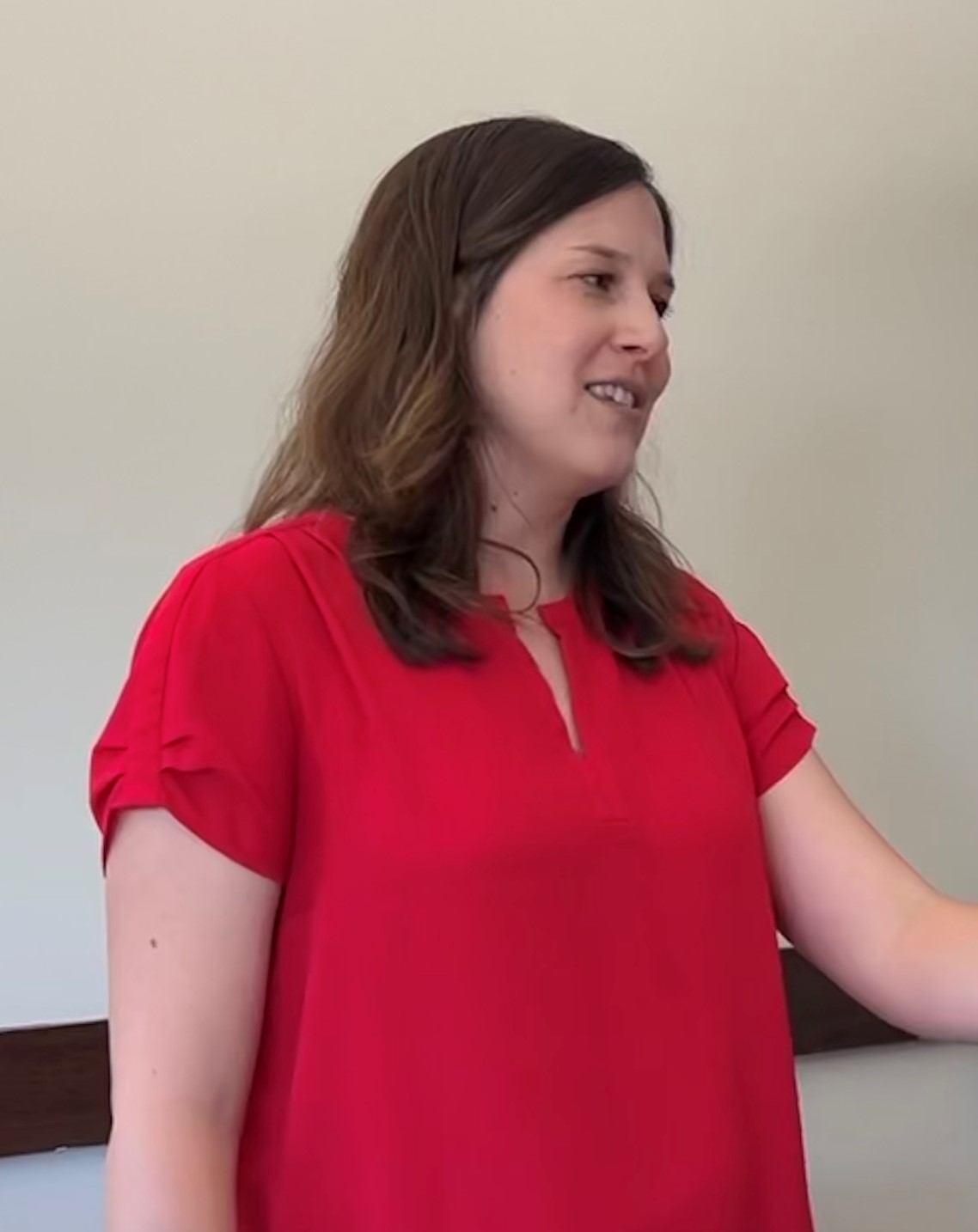
    Anthea Scouffas is passionate about connecting people to the arts and to each other. She works every day to do just that as the Engagement and Education Director at the Lied Center of Kansas. She studied History and Education at Eastern Illinois University and worked at the University of Illinois, Krannert Center for the Performing Arts before coming to Lawrence. Scouffas is also responsible for grant writing and oversight of grants which lead her to a unique creative collaboration on North, the musical.

    The idea for the musical came from Ashli St. Armant a Los Angeles vocalist, writer and arts educator. St. Armant has performed for young audiences all over the country. She grew up in New Orleans and she has been greatly influenced by the music and history of that great city. North is the story of a mother and son who escape slavery in Louisiana and undertake a perilous journey north which includes a stop on the Underground Railroad in Lawrence. Scouffas worked closely with St. Armant to develop the musical and a teachers guide for North. The world premier of North will be at the Lied Center on October 26 at 7:00 p.m. There will also be special performances for fourth and fifth grades. North pays tribute to an important piece of history and celebrates the music of New Orleans.

  • Scott Wagner Champions Lawrence Regional Airport

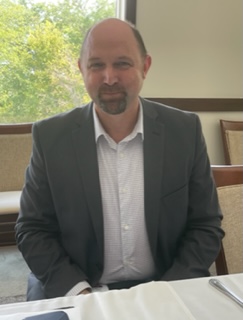
    Central Rotarian Scott Wagner assumed the role of manager of the Lawrence Regional Airport last fall in addition to his duties as a Management Analyst for the City. He clearly is an excellent cheerleader for the airport, able to tout statistics about operations and about the economic impact of the airport, well as describe the many aviation-related events that have taken place recently.

    The airport sits on 492 acres north of Lawrence. Although it does not provide any commercial service, it is a base for charter services and repairs of charter planes. Hetrick Air Services and Eurotec are there, and LifeStar air ambulance keeps staff and a helicopter on site.

    The airport was established in 1929, and its terminal was built in the 1980s. FAA grant money will soon allow improvements to the terminal and the parking area.

    Scott reports that there have been a variety of tours and open houses at the airport during the past year, an Aviation Youth Camp sponsored by Parks and Rec, and fly-in events such as the Air Race Classic and the Kansas Air Tour. “Unite and Take Flight” offered airplane and helicopter rides as a fundraiser for United Way of Douglas County, bringing many residents to the airport for the first time.

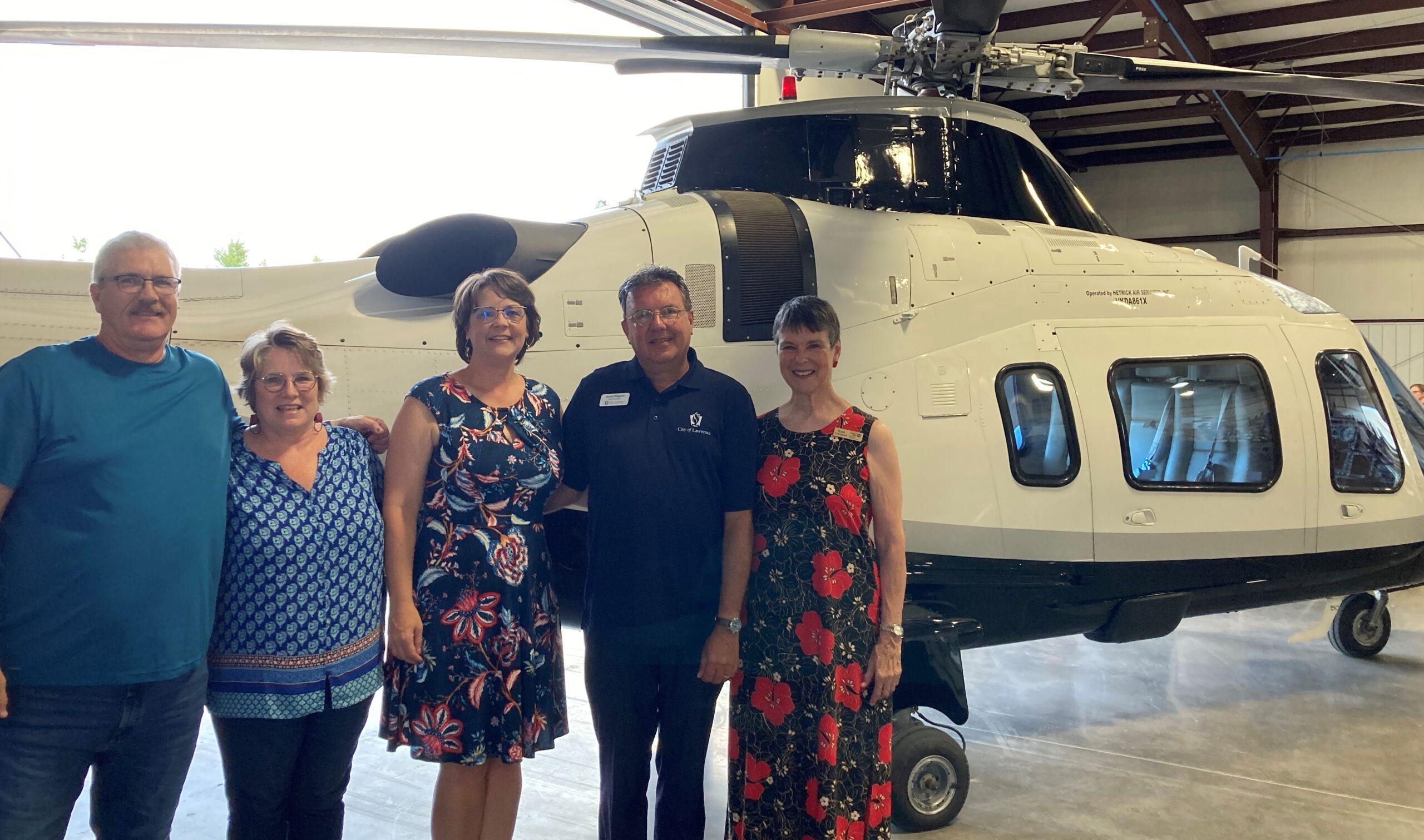
    Scott poses with his wife and fellow Central Rotarians in front of a Eurotec helicopter at the United Way event.
  • A New Understanding of the Arrival of Humans in the Americas

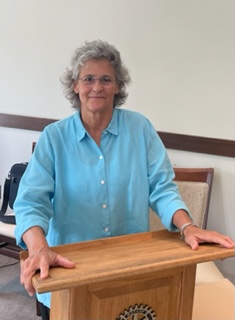
    Jennifer Raff developed an early love of science, earning advanced degrees in Genetics and Biological Anthropology from the University of Indiana. She is an Assistant Professor of Anthropology at the University of Kansas, utilizing genetics to study the origin of humans in the Americas. Her best selling book “Origin“, published February 2022, tells the dramatic story of how genetics has changed our understanding of the history of the Americas. It was believed for many years that humans crossed a land bridge between Asia and North America through an ice free corridor and quickly populated the two continents, killing off the megafauna in the process. DNA recovered from ancient peoples reveals a wealth of scientific information about the origin and movement of these peoples, and tells a much more complex story. Many scientists now believe that humans were here some 25,000 years ago and utilized a coastal route to populate the Americas.

    Unfortunately, there is a history of scientists sometimes exploiting native people . Raff makes a case for the importance of researchers respecting tribal sovereignty. The study of early humans is a field that is changing very fast with the discovery of new sites and advances in the science. Raff also presents public talks and writes on aspects of science literacy. She has numerous publications, podcasts and interviews to her credit.

  • Reading the Bones

    Lauriane Bourgeon enroute to Bluefish Caves.

    Ancient animal bones can tell a story according to French zooarcheologist Lauriane Bourgeon. Bourgeon spoke by Zoom to talk about her work at Bluefish Caves in the Northern Yukon. She is an expert in the study of animal remains and is trained to identify signs of humans, including fire signs, cut marks and fracture patterns. Bourgeon was recently working on the Kansas University Campus and traveled to Bluefish Caves as part of a research team. What the team found was what they believed to be an ice age hunting camp. The excavation produced bone remains of elk, deer, mammoth, wolf, bison and horse. A number of the bones bore scrape marks believed to be made by humans.

    The bones were dated and found to be quite old, the oldest dating to 23,000 years ago. The work at Bluefish Caves is controversial as the archaeology community believed for many years that human presence in the Americas was dated to 12,000-13,000 years ago. No human remains were found at the site, perhaps because it was a temporary camp. It is hoped that the far north will yield other sites to study and to compare to the findings at Bluefish Caves. Bourgeon described the remoteness and difficulty of working at the site. The team traveled to the site by helicopter and had to deal with difficult supply and weather conditions. Bourgeon is hoping to return to the area to work on a newly discovered cave.

  • Honoring the Past

    It is important to understand the history of a place and honor the people who lived in that place. Dr. Eric P. Anderson, Chair of Indigenous Studies, Haskell Indian Nations University, explained the concept of a Land Acknowledgement Statement. Many institutions have adopted statements that speak to the history and presence of native peoples who lived on the land in the past. These statements identify these tribes as a demonstration of respect for their history and culture. Dr. Anderson has assisted in the writing of Land Acknowledgement Statements for Watkins History Museum and the Symphony in the Flint Hills annual event. He cautions that these statements are in no measure a threat to the present system of land ownership.

    Dr. Anderson grew up in Wichita and did his undergraduate and graduate work at the University of Kansas. His primary research interests include American Indian education and the system of federal boarding schools established in the 1900s. He is also interested in American West studies. Dr. Anderson is a member of the Citizen Potawatomi Nation.