President-elect Megan Richardson provided a preview of her plans for her coming club leadership year. Megan joined Lawrence Central Rotary Club in 2016 and has served as club Treasurer for a number of years. Megan spoke of her love of family, community, travel, antiques and power tools. Megan explained that she has always enjoyed working outside and using the necessary tools to work on yard and home. She recently completed Rotary District training for incoming club Presidents and is excited about taking office the start of July. She complimented President Kade Meyer, the club board and club members for a very successful year of activities. Megan would like to see club membership increase to 43, develop and share an annual calendar and expand the club’s social media presence. She promised to be fully engaged, energetic and to “build on what we are.” Megan is very active in the community and serves as Vice-President at First State Bank and Trust.
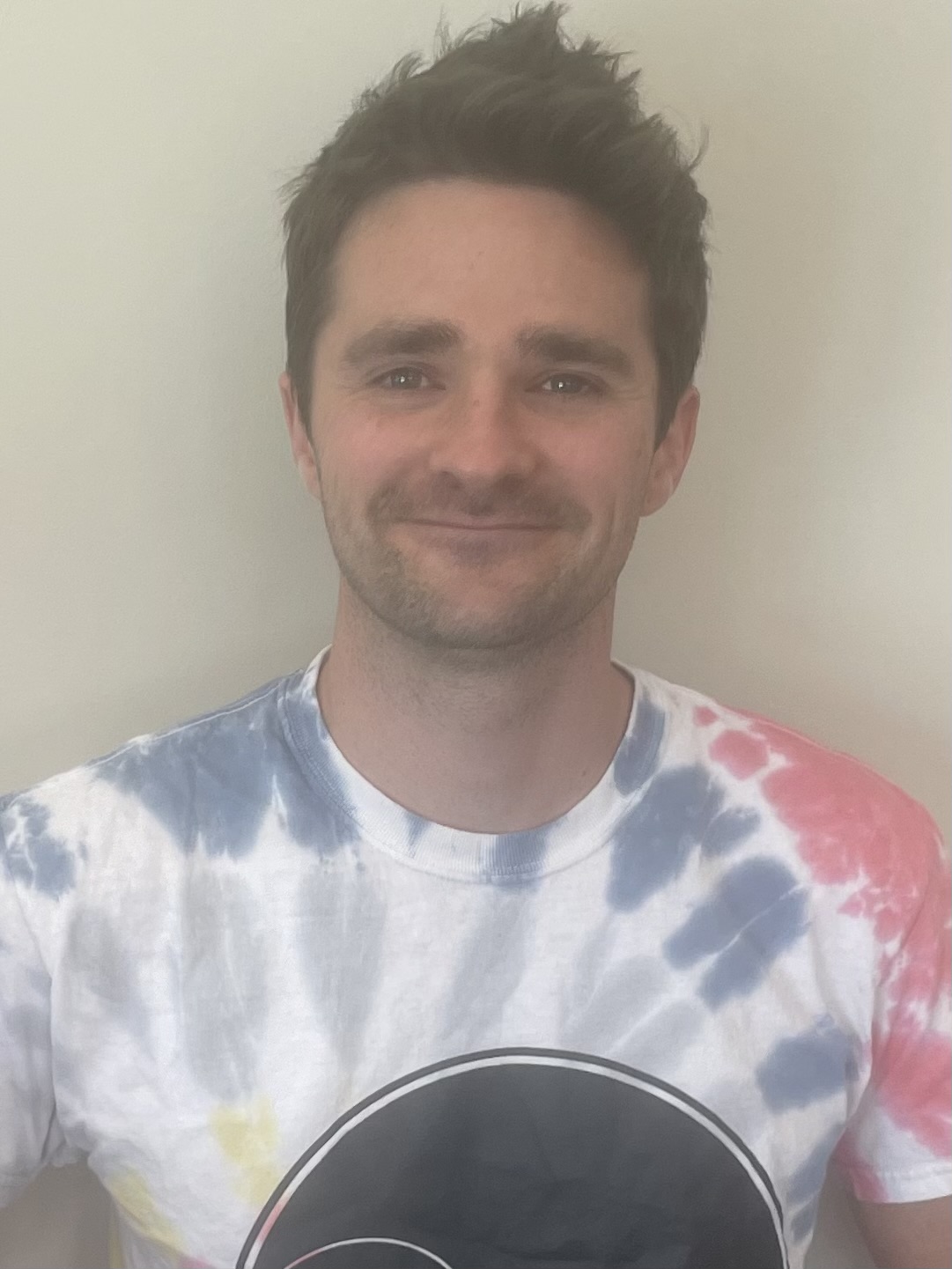
Ready for Good is a nonprofit program that provides skills, training and support for young people who have been in Foster Care and the Court System. Program Director Addison Shockley described the program and the challenge of working with young people who are at risk and may have behavior issues. Participants learn to refurnish and sell donated items at the store at 708 Connecticut Street and benefit from serious coaching. They learn teamwork and work place values in one on one mentoring sessions. Ready for Good relies on grants, product sales and donations for funding support and works closely with numerous community entities. The first youth hires were in February of 2023 and the store was open to the public the following April. It is not unusual for Youth to repeat the program. The web site also has an online shopping feature.
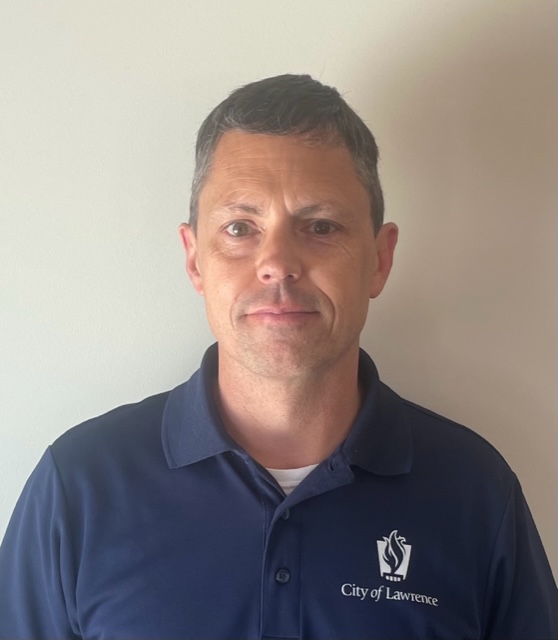
City of Lawrence Engineering Program Manager Andy Ensz spoke on plans for the new Municipal Services and Operations Campus (MSO). The project will create a new consolidated headquarters for departmental employees and also addresses storage and facility needs. Presently the city has a dozen separate facilities to carry out MSO functions and many of them are undersized, sit in the flood plain, and have significant maintenance problems. There are also neighborhood concerns as well as safety and security issues.
The new campus will accommodate such city operations as Central Maintenance, Streets and Traffic, Water, Storm Water and Waste Water, Solid Waste, Inspections, and Administration. Sustainability has been employed in the design and construction and the plan has been modified to address neighborhood concerns. The plan was approved in 2023 and the construction phase is set for 2024 through 2026. The new MSO Campus is expected to provide significant efficiencies of operation for the City of Lawrence.
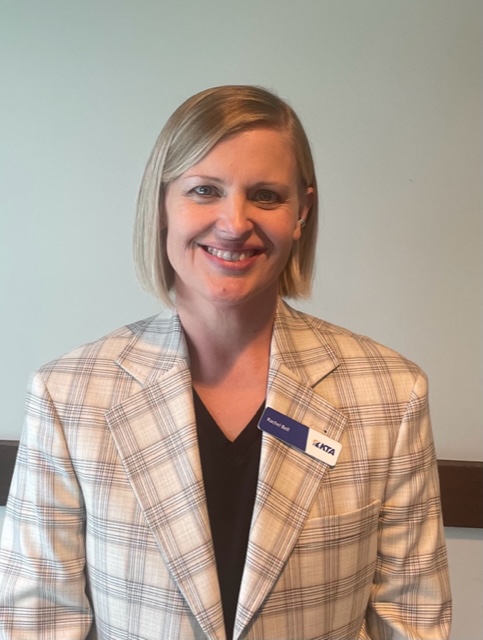
Rachel Bell, Business Services and Customer Relations for the Kansas Turnpike Authority (KTA), previewed cashless tolling which is coming in July. The KTA conducts regular customer satisfaction surveys which have revealed strong interest in cashless tolling. Such a system eliminates toll booths and relies on technology that records K-Tag information or images of license plates and bills vehicles later through a KTA account. Drivers may register a credit card for toll payment. Conversion will be automatic for present K-Tag users and KTA will continue to work with the states with which they presently have reciprocal agreements. The reasons for the change include safety, convenience and efficiency. Keeping traffic moving is to everyones advantage and the timing for the change is good as 70 per cent of the KTA workforce will be retiring in the next couple years. Rachel indicated that the toll rate for the new system will be the lowest cashless toll in the nation. She also noted that Lawrence is home to one of three KTA Customer Service Centers. The KTA website has more information on how cashless tolling will work.