Author: Kate Campbell

  • Kansas Land Trust Treasures Are Nearby

    Jerry Jost returned to tell the story of the Kansas Land Trust once again. At this presentation, he highlighted the various types of protected lands: farmland, prairie, woodlands, streams, and wildlife areas. The Trust protects 77 lands in 22 Kansas counties covering 39,000 acres.
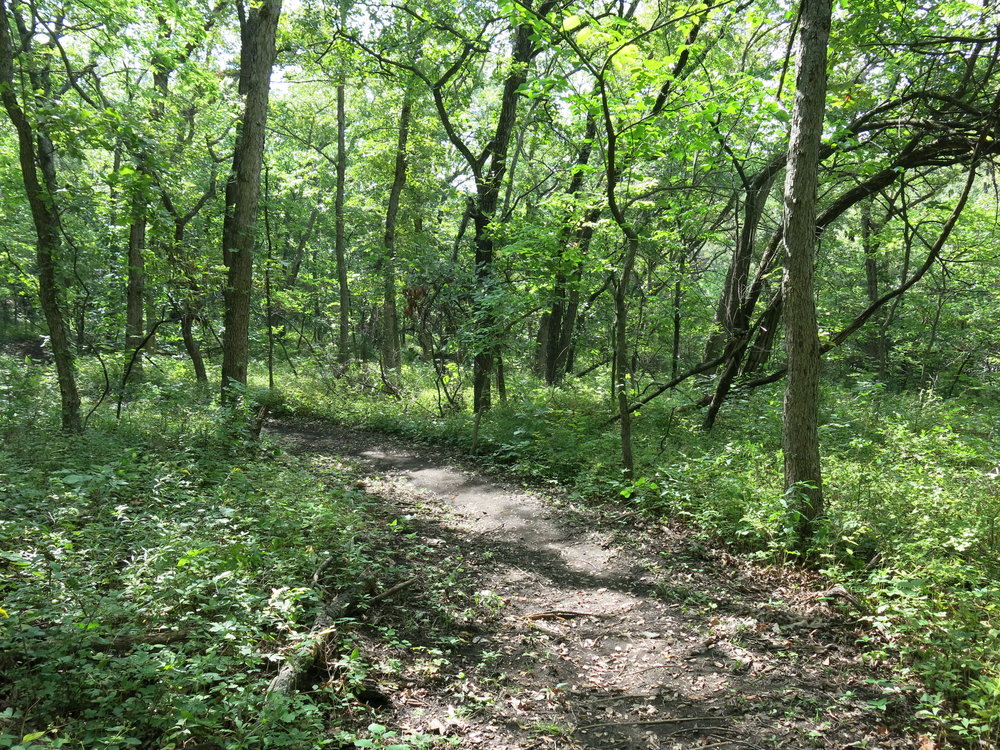
    Trail in Lawrence Nature Park

    Many Rotarians had not visited the Lawrence Nature Park on the Lichtwardt Conservation Easement in northwest Lawrence off of Folks Road. Its trails wander through 37 acres of woodlands.

    To find prairie and wildflowers, visit Akin Easement south and east of Lawrence.
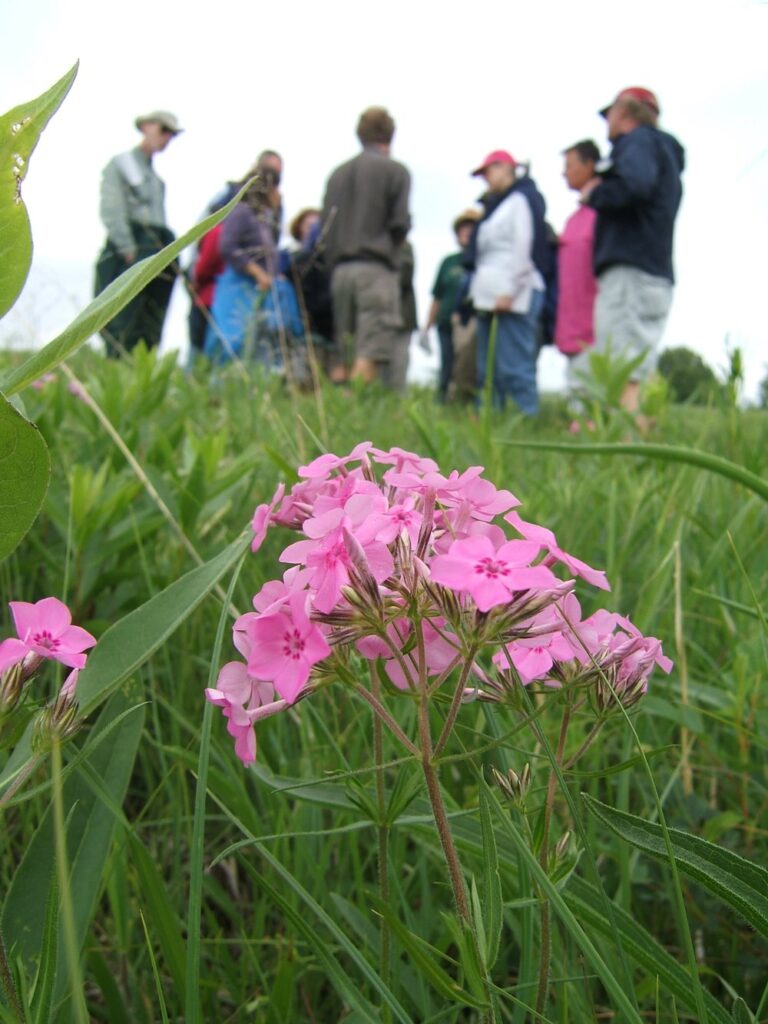
    Wildflower at Akin Easement

    Other Douglas County areas held by the Trust include the private lands of Earles Woodland, located east of Baldwin City, and the Hamilton Farmland near Eudora. A list of places you can visit is available on the Kansas Land Trust website.

  • Action in the Kansas Statehouse

    Despite the shortened session, the Kansas Statehouse was full of action during the recently-completed legislative session, according to Stephen Koranda, award-winning Statehouse reporter for Kansas Public Radio and the Kansas News Service. 

    Koranda highlighted the arguments that arose related to Governor Kelly’s closure of the State in the face of the coronavirus. The recent spike in infections will fan differences of opinion, as will strategies to manage the projected 8% shortfall in the State budget. He also commented on recent events in the State Department of Labor, on the new vacancy on the Kansas Supreme Court, and on Kansas competitions for national office.

    Koranda encouraged everyone to express his or her opinions by voting in the upcoming primary and general elections.

  • Program Impacts Are Both Big and Little

    Big Brothers/Big Sisters serves Douglas  and several other counties in northeast Kansas.  The Northeast Area Director is Jeff Jack, a retired juvenile court judge and now an enthusiastic advocate for the non-profit. 

    Jack explained that in Kansas, the program focus is on at-risk youth ages 5 to 17.  These youths face adversity for one reason or another and need an adult mentor and role model.  About 85% of “littles” are from single-parent homes and/or live in poverty.  Sixty percent come from environments involving drug and alcohol abuse; 40% have witnessed domestic violence; and 30% have an incarcerated parent.

    Big Brothers/Big Sisters finds that 52% of the young people in the program are able to finish school, go on to further training or education, and become strong wage earners.  Participants tend to avoid violence and drug/alcohol use. 

    Fifty-two “Littles” are waiting for a match in Douglas County.  the program needs not only volunteers but also referals and contributions. Money raised in Douglas County stays in Douglas County, Jack declared.  Two fundraisers are in planning stages:  a Disc Golf Tournament on July 25 and a Gingerbread House Gala in December.

    Big Brothers/Big Sisters creates life-long and life-changing friendships.  One Rotary member noted that his wife was a Big Sister many years ago and that she still keeps in touch with her “Little” who has grown up to become a successful young woman.  

  • Mindfulness during Stressful Times


    Central Rotarian Julia Guaghan, Prevention and Education Manager at Bert Nash Community Mental Health Center, addressed how to maintain behavioral health during times of stress, an ideal topic for the Club’s first virtual meeting during the COVID-10 crisis.  Julia declared that resiliency and well-being can be enhanced with mindfulness practices.

    Julia shared several apps and other resources that people can use to cultivate mindfulness practice.  One is an app called  myStrengths www.mystrength.com. Ten Percent Happier is a great book/app/resource/podcast to learn more about the science behind meditation.  She also noted that Yale University has a free course on the Science of Well-Being.

  • Space Force Protects U.S. Interests

    In August 2018, Congress re-designated the U.S. Air Force Space Command as the United States Space Force, “a military service that organizes, trains, and equips space forces in order to protect U.S. and allied interests in space and to provide space capability to the joint force.” Funded in the 2020 budget, the service employs 16,000 military and civilian personnel.

    The world is dependent on space systems for innumerable aspects of life, pointed out Tom Gray, an Education and Training Specialist for the U.S. Army stationed at Fort Leavenworth. Space satellites allow us to surf the web and make our telecommunications system and GPS navigation work. They enable first responders and time-stamp financial transactions. Missile warning systems and weather and environmental monitoring depend on satellites as well. Loss of any of these systems would pose a threat to national prosperity and security.

    International Space Law was established in 1967 as an extrapolation of maritime law, that is, defining free access to space for peaceful purposes. Since that time space has become a competitive place.  Because we are so dependent on access to space, we recognize that the intention and capability of another country to deny us that access is a threat.

    An active Rotarian since 1998, Tom Gray is currently a member of the Leavenworth Rotary Club and has played a number of roles in District 5710.